
Uncategorized
Food: food high in nitric oxide – 8 Best Foods to Boost Performance in 2026
Nitric oxide (NO) is a crucial molecule for vascular health, playing a direct role in relaxing blood vessels and improving circulation. This process, known as vasodilation, is fundamental to achieving and maintaining firm erections. While factors like age and lifestyle can reduce NO production, your diet offers a powerful, natural way to support your body's circulatory system. This guide is your definitive roadmap to the best food high in nitric oxide, providing scientifically-backed insights to enhance your body's own production.
We will break down not just what to eat, but how and why these specific foods work. You will find practical, actionable strategies to integrate everything from beetroot and dark leafy greens to pomegranate and watermelon into your daily routine for tangible benefits. Think of this article as your nutritional toolkit for superior vascular performance, offering a natural way to support your overall health and wellness goals. This dietary approach can serve as a powerful complement to modern medical treatments for erectile dysfunction.
Understanding how diet supports these therapies is a key step towards a comprehensive solution. For those exploring all available options, our team is ready to help. Our experts at our shop page can provide further guidance on combining lifestyle changes with effective, clinically-proven treatments, delivered discreetly to your door. In this article, you will learn exactly which foods to prioritise and how to prepare them to maximize their circulatory benefits.
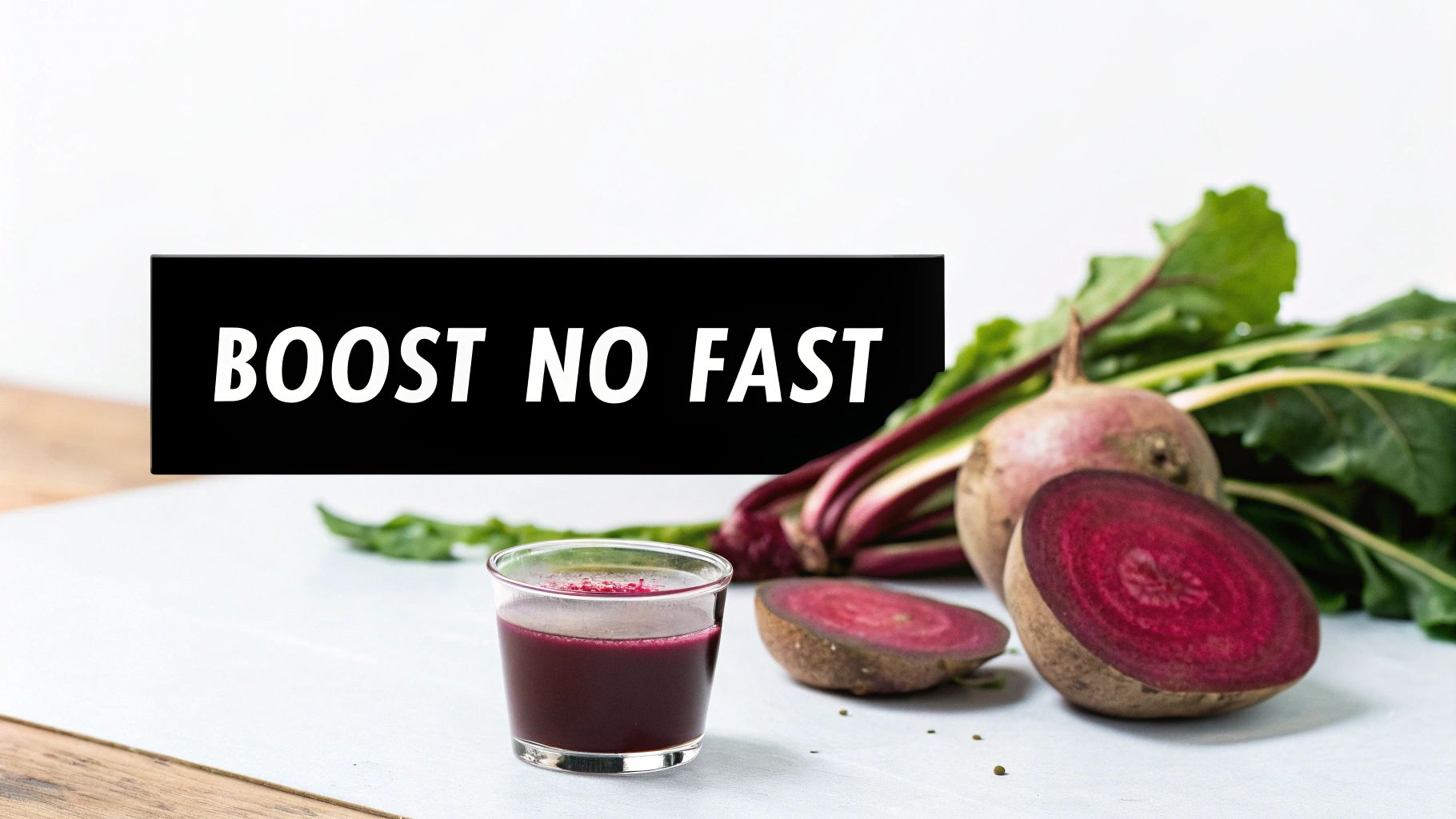
1. Beetroot and Beetroot Juice
When it comes to foods high in nitric oxide, beetroot is a true powerhouse. This vibrant root vegetable is one of the richest dietary sources of inorganic nitrates, the essential precursors your body uses to generate nitric oxide (NO). This process is remarkably efficient, making beetroot a top choice for boosting NO levels and improving circulatory health.
The conversion of nitrates from beetroot into NO begins in the mouth, where bacteria on your tongue reduce nitrate to nitrite. This nitrite is then converted into nitric oxide in the stomach and bloodstream. Consuming beetroot as a juice is particularly effective because it allows for rapid absorption, with plasma nitrate levels peaking just 30 to 60 minutes after consumption. For men managing erectile dysfunction, this increased availability of NO is critical for promoting vasodilation-the widening of blood vessels-which is fundamental for achieving and maintaining a firm erection.
Practical Ways to Incorporate Beetroot
Integrating beetroot into your diet is straightforward, whether you prefer the convenience of juice or the texture of the whole vegetable.
- Beetroot Juice: A concentrated shot of beetroot juice (around 70-150ml) is a popular method used in clinical studies. For optimal timing, consider consuming it 2-3 hours before anticipated sexual activity.
- Raw in Salads: Thinly slice or grate raw beetroot and add it to salads. Combining it with other nitrate-rich leafy greens like spinach or arugula creates a cumulative NO-boosting effect.
- Beetroot Powder: For those who find the taste of juice too earthy, beetroot powder is an excellent alternative. It can be easily mixed into smoothies, water, or even yoghurt.
Tips for Maximum Benefit
To get the most out of your beetroot consumption, consistency and proper preparation are key.
- Start Gradually: If you are new to beetroot juice, begin with a smaller serving of about 70ml daily and gradually increase to 250ml as your body adjusts.
- Pair with Vitamin C: Consuming beetroot with a source of vitamin C, such as a splash of lemon juice or a handful of berries, can enhance the conversion of nitrates to nitric oxide.
- Combine for Enhanced Effects: A diet rich in nitrates can complement the effects of PDE5 inhibitors. You can explore effective medication options at our online shop for a comprehensive approach to managing ED.
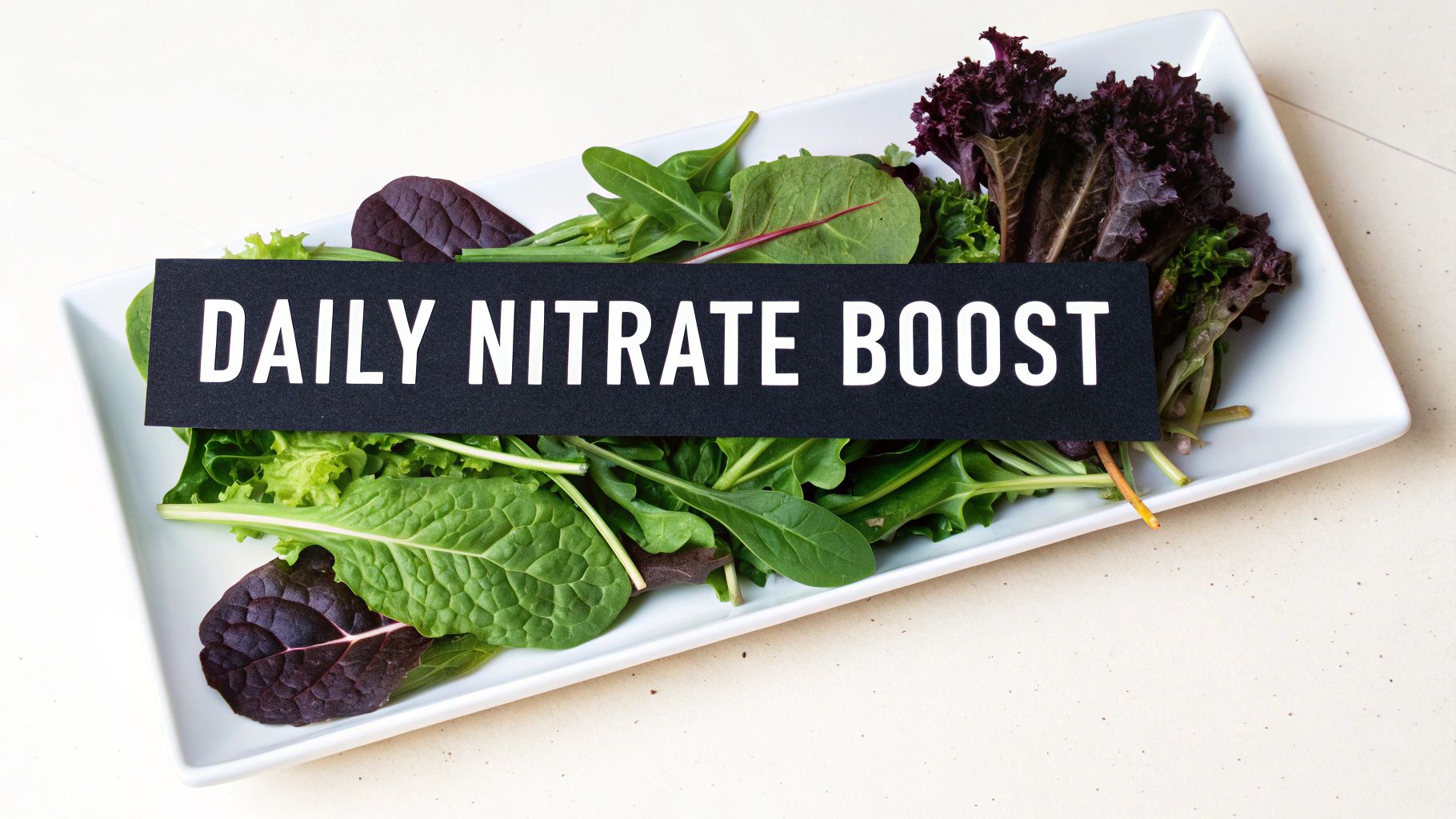
2. Dark Leafy Greens (Spinach, Arugula, Kale)
Dark leafy greens are another cornerstone when considering food high in nitric oxide. Vegetables like spinach, arugula, and kale are loaded with dietary nitrates, which your body converts directly into nitric oxide (NO). Spinach, for example, can contain up to 480 mg of nitrates per 100g, making it a highly efficient choice for boosting NO levels and supporting endothelial function, which is crucial for healthy penile blood flow.
The process mirrors that of beetroot: oral bacteria convert the nitrates into nitrites, which are then transformed into nitric oxide. This sustained increase in NO helps relax and widen blood vessels, a fundamental mechanism for achieving a strong erection. Furthermore, leafy greens are rich in folate and L-arginine, compounds that provide additional support for NO synthesis and overall cardiovascular health. For men managing erectile dysfunction, making these greens a daily staple offers a powerful, long-term nutritional strategy to improve vascular function.
Practical Ways to Incorporate Dark Leafy Greens
Integrating these nitrate-rich vegetables into your daily routine is simple and versatile, requiring minimal preparation for maximum benefit.
- Daily Foundational Salad: Make a fresh spinach or mixed green salad your daily go-to. Consuming 1-2 cups raw provides a consistent baseline for NO production.
- Convenient Sandwich Addition: Add a generous handful of peppery arugula to sandwiches or wraps for an effortless nitrate boost during lunch.
- Raw Kale Smoothies: Blend raw kale with citrus fruits like oranges or lemon. The vitamin C helps enhance the conversion of nitrates to nitric oxide.
- Mixed Greens for Variety: Combine several types of leafy greens, such as spinach, kale, and romaine, to create a salad with a diverse and potent nitrate profile.
Tips for Maximum Benefit
To fully leverage the NO-boosting power of leafy greens, focus on consistency, preparation methods, and strategic food pairings.
- Eat Them Raw: Consume leafy greens raw whenever possible, as cooking can reduce nitrate content. If you must cook them, opt for a quick steam with minimal water.
- Pair with Healthy Fats: Drizzle your salads with extra virgin olive oil or add avocado. Healthy fats can help improve the absorption of fat-soluble nutrients and support nitrate conversion.
- Add Acidity: Squeeze lemon juice or use a vinegar-based dressing. Acidic environments help stabilize dietary nitrates and facilitate their conversion to NO.
- Integrate with Treatment: A diet rich in leafy greens can support the effectiveness of ED medications. To explore comprehensive treatment plans, visit our online shop for a range of effective options.
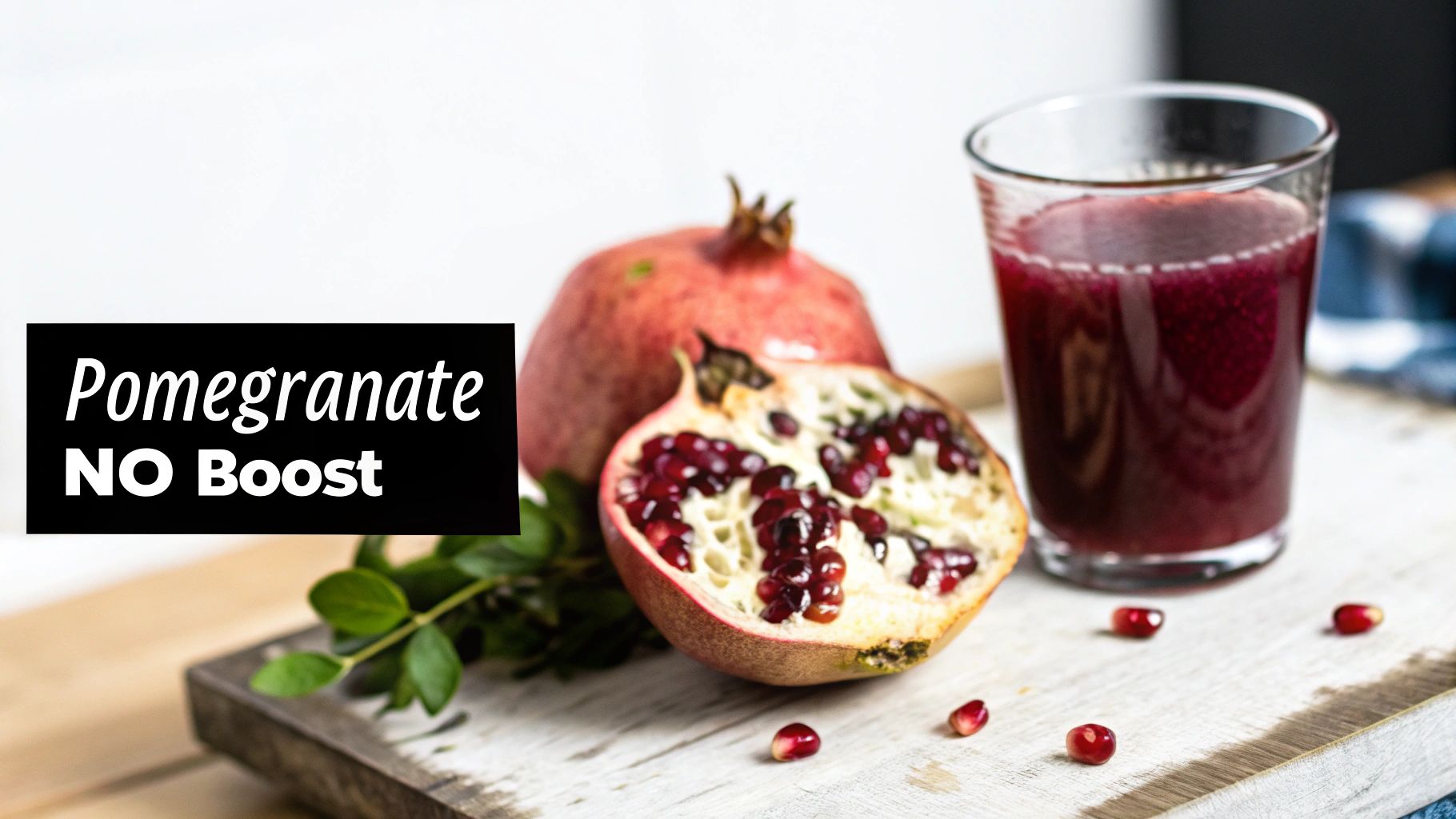
3. Pomegranate and Pomegranate Juice
Pomegranate is celebrated not just for its unique flavour but also for its profound impact on circulatory health. This fruit is a potent source of powerful antioxidants and polyphenols, particularly punicalagins and ellagic acid, which support nitric oxide (NO) production and protect it from oxidative degradation. Unlike nitrate-rich vegetables, pomegranate enhances NO availability through different pathways, including improving endothelial function and supporting the efficient conversion of L-arginine into nitric oxide.
This multi-faceted approach makes pomegranate a fantastic food high in nitric oxide for improving blood flow. The antioxidants in pomegranate juice have been shown to protect NO molecules from being broken down too quickly by free radicals, extending their beneficial effects on blood vessels. For men dealing with erectile dysfunction, this sustained NO activity is crucial for relaxing the smooth muscle in the penis, allowing for the increased blood flow necessary to achieve and maintain an erection.
Practical Ways to Incorporate Pomegranate
Adding pomegranate to your diet is both simple and delicious, with several convenient options available.
- Pure Pomegranate Juice: Clinical trials often use a daily serving of around 8 oz (240 ml) of 100% pure pomegranate juice. This is one of the most direct ways to consume the beneficial polyphenols.
- Fresh Pomegranate Seeds: The seeds, or arils, can be sprinkled over breakfast bowls, yoghurt, salads, or mixed into smoothies for a burst of flavour and texture.
- Concentrated Pomegranate Extract: For those seeking convenience or a lower-sugar option, pomegranate extract supplements offer a concentrated dose of the fruit's key compounds.
Tips for Maximum Benefit
To fully leverage the circulatory benefits of pomegranate, consistency is more important than specific timing.
- Choose Pure Juice: Always select 100% pure pomegranate juice with no added sugars or preservatives to ensure you are getting the maximum antioxidant benefit.
- Be Patient and Consistent: The positive effects of pomegranate on endothelial function accumulate over time. Aim for daily consumption for at least 4 to 8 weeks to properly assess its impact.
- Complementary Approach: The blood flow-enhancing properties of pomegranate can work synergistically with ED medications. You can find effective treatment options at our online shop to create a comprehensive management plan.
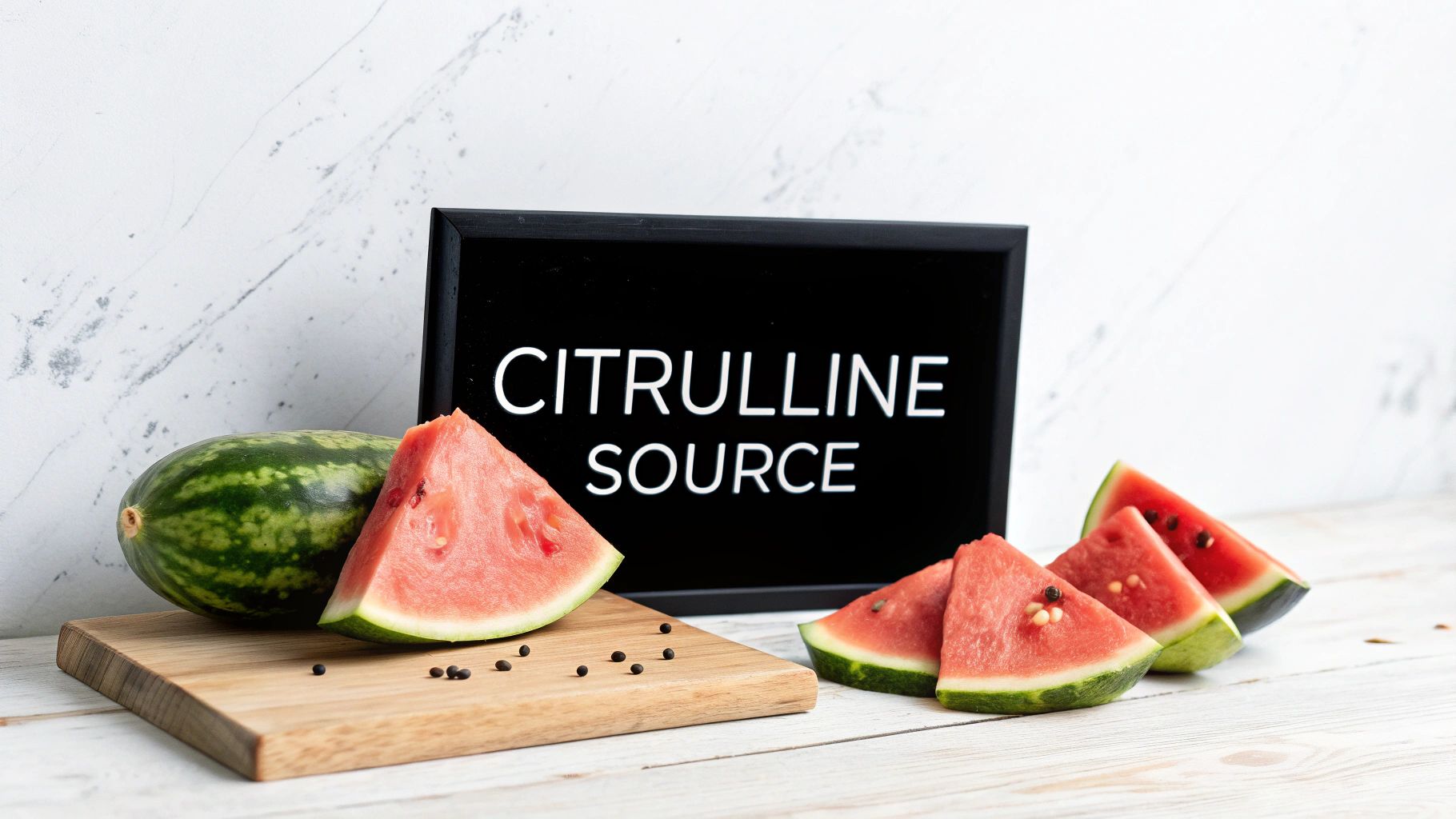
4. Watermelon (L-Citrulline Source)
While nitrate-rich vegetables are a primary route to boosting nitric oxide, watermelon offers an entirely different but equally effective pathway. This refreshing fruit is the most abundant natural source of L-citrulline, an amino acid that plays a vital role in the nitric oxide synthesis cycle. By providing the raw materials for NO production, watermelon stands out as a key food high in nitric oxide.
The body converts L-citrulline into another amino acid, L-arginine, which is then used by enzymes to produce nitric oxide. Unlike L-arginine supplements, which are often poorly absorbed, L-citrulline from watermelon bypasses initial breakdown by the liver, making it more available for NO synthesis throughout the body. For men with erectile dysfunction, this sustained increase in NO helps relax the smooth muscles in the penis, allowing for increased blood flow essential for an erection.
Practical Ways to Incorporate Watermelon
Adding this delicious fruit to your diet is easy and can provide a significant L-citrulline boost.
- Fresh Cubes: Consuming one to two cups (around 150-300g) of fresh, cubed watermelon daily is a simple and effective method.
- Watermelon Juice: For a concentrated dose, drink a glass of fresh watermelon juice without added sugars. This is a great way to hydrate while supporting NO levels.
- Smoothies: Blend watermelon with other NO-boosting foods like spinach, berries, and a splash of beetroot juice for a powerful, synergistic effect.
- Roasted Seeds: Don't discard the seeds. When roasted, watermelon seeds are a nutritious, portable snack rich in L-citrulline and other beneficial nutrients.
Tips for Maximum Benefit
To fully leverage the L-citrulline in watermelon, consider these simple strategies.
- Eat the Rind: The white part of the rind, closest to the green skin, contains a higher concentration of L-citrulline than the pink flesh. Try pickling it or blending it into smoothies.
- Choose Ripe Fruit: A fully ripe watermelon not only tastes better but also has a higher L-citrulline content. Look for one that is heavy for its size with a creamy yellow spot on its underside.
- Stay Consistent: Regular, daily consumption is key to maintaining elevated L-arginine and NO levels in your body.
- Combine with Other Approaches: Dietary changes like adding watermelon can complement the function of medications. It is useful to understand how these treatments work; for an overview of what sildenafil is used for, you can find more information here. For a comprehensive approach, explore treatment options at our online shop.
5. Garlic and Onions (Organosulfur Compounds)
Garlic and onions are more than just flavourful kitchen staples; they are potent supporters of nitric oxide production. These allium vegetables are rich in organosulfur compounds, particularly allicin in garlic, which are known to activate nitric oxide synthase (eNOS), the enzyme responsible for producing NO within your blood vessels. This activation helps improve blood flow and supports overall vascular health.
The process is initiated when garlic is crushed or chopped, converting a compound called alliin into allicin. Allicin and other related sulfur compounds help increase NO bioavailability not only by boosting its production but also by reducing oxidative stress that can degrade it. For men dealing with erectile dysfunction, incorporating these foods into daily meals offers a flavourful and sustainable way to enhance the vasodilation necessary for strong erections. While not as high in nitrates as leafy greens, their unique mechanism provides a complementary pathway to support circulatory function.
Practical Ways to Incorporate Garlic and Onions
Adding these versatile vegetables to your diet is simple and can be done in various flavourful ways.
- Raw Garlic: Consuming 1-2 raw garlic cloves daily is highly effective. Crush or chop the garlic and let it sit for about 10 minutes before eating to maximize allicin formation. Add it to salads, dressings, or mix it with avocado on toast.
- Sautéed Base: Use chopped garlic and onions as the foundational flavour for soups, stews, sauces, and stir-fries. While some allicin is lost during cooking, many beneficial compounds remain.
- Aged Garlic Extract: For a convenient and odour-free option, aged garlic extract supplements (like the Kyolic brand) are a well-researched alternative that has been shown to improve vascular function.
Tips for Maximum Benefit
To fully leverage the NO-boosting properties of garlic and onions, consider these practical tips.
- Timing is Key: When using raw garlic, always crush or chop it at least 10 minutes before you plan to eat or cook with it. This waiting period allows the enzyme alliinase to create the powerful compound allicin.
- Combine for Synergy: The organosulfur compounds in garlic and onions work well together. Using them in combination in your meals can provide a broader range of benefits for your vascular system.
- Manage Garlic Breath: If you are concerned about breath odour from raw garlic, try chewing on fresh parsley or mint leaves, or drinking a small glass of milk after your meal.
6. Chili Peppers and Cayenne (Capsaicin Enhancement)
While not a direct source of nitrates, chili peppers offer a unique pathway to boosting nitric oxide through their active compound, capsaicin. This fiery molecule is responsible for the heat in peppers and is known for its ability to increase blood flow and support circulatory health. Including spicy foods in your diet can be a flavourful strategy for enhancing NO production and supporting vascular function.
Capsaicin works by stimulating specific receptors in the body (TRPV1 channels), which in turn promotes the release of nitric oxide from the endothelial cells lining your blood vessels. This process enhances the activity of endothelial nitric oxide synthase (eNOS), the key enzyme responsible for NO synthesis. For men dealing with erectile dysfunction, this capsaicin-induced vasodilation can improve blood flow to the penis, which is essential for a firm erection.
Practical Ways to Incorporate Chili Peppers
Adding a touch of heat to your meals is a simple way to harness the benefits of capsaicin. A little goes a long way, and there are options for every palate.
- Fresh Peppers: Add finely chopped jalapeños, serranos, or habaneros to salsas, stir-fries, or tacos. Consuming them raw or lightly cooked preserves the most capsaicin.
- Cayenne Pepper Powder: A sprinkle of cayenne powder (about 1/4 teaspoon) can be easily added to soups, stews, eggs, or even a morning smoothie for a metabolic kick.
- Hot Sauce: Choose hot sauces with minimal added sugar and sodium, like Tabasco or Frank's RedHot. Use them as a condiment to add both flavour and a circulatory boost to your meals.
- Chili Pastes: Fermented pastes like Gochujang or sriracha can be incorporated into marinades and sauces for a deeper, more complex heat.
Tips for Maximum Benefit
To get the most from chili peppers without discomfort, it’s important to introduce them thoughtfully and listen to your body.
- Start Mild: If you're not used to spicy food, begin with milder peppers like jalapeños and gradually work your way up to hotter varieties as your tolerance increases.
- Pair with Food: Always consume chili peppers with a meal to minimize the risk of gastrointestinal irritation. Pairing them with dairy like yogurt or milk can also help cool the heat.
- Handle with Care: Wear gloves when chopping hot peppers to prevent the capsaicin oils from irritating your skin and eyes.
- Combine and Conquer: Spicy foods can work synergistically with other NO-boosting strategies. For a comprehensive approach to managing ED, consider exploring effective medication options available at our online shop.
7. Nuts and Seeds (Arginine and Antioxidant Sources)
While nitrate-rich vegetables offer a direct pathway to nitric oxide, nuts and seeds provide a different but equally crucial building block: the amino acid L-arginine. Your body uses L-arginine as a primary fuel for an enzyme called endothelial nitric oxide synthase (eNOS), which synthesizes nitric oxide directly within the lining of your blood vessels. This makes nuts and seeds an excellent food high in nitric oxide precursors for sustained vascular health.
Regular consumption of L-arginine-rich foods like almonds, walnuts, pumpkin seeds, and sunflower seeds ensures your body has a consistent supply of this vital amino acid. Furthermore, these whole foods are packed with antioxidants, such as vitamin E and polyphenols. These compounds help protect the nitric oxide your body produces from being degraded by oxidative stress, allowing it to remain active in the bloodstream longer. For men managing ED, this dual-action support helps maintain the vasodilation necessary for strong, reliable erections.
Practical Ways to Incorporate Nuts and Seeds
Adding these nutritional powerhouses to your daily routine is simple and versatile, requiring no special preparation.
- Daily Snack: A handful of raw or lightly roasted almonds or walnuts (about 30 grams) makes for a convenient, heart-healthy snack that provides a solid dose of L-arginine.
- Smoothie Booster: Add a tablespoon of pumpkin seed butter or almond butter to your morning smoothie. This not only boosts the L-arginine content but also adds healthy fats and fibre for satiety.
- Salad and Meal Topper: Sprinkle mixed seeds over salads, yogourt, or oatmeal to add a satisfying crunch and a range of nutrients.
- Trail Mix: Create your own trail mix with a variety of nuts, seeds, and some dried fruit for a portable, energy-boosting option.
Tips for Maximum Benefit
To fully leverage the nitric oxide-boosting potential of nuts and seeds, consider these simple strategies.
- Aim for Consistency: Incorporate a 30-50 gram serving of mixed nuts and seeds into your diet daily to maintain adequate L-arginine levels for NO production.
- Choose Raw or Lightly Roasted: Opt for varieties without added oils, salt, or sugar to preserve their antioxidant content and cardiovascular benefits.
- Pair with Vitamin C: Combine your nut and seed intake with vitamin C-rich foods like berries or citrus fruits to enhance NO synthesis and protect it from free radical damage.
- Combine with Other NO Foods: A comprehensive dietary strategy is most effective. For a deeper understanding of how diet fits into a broader treatment plan, our erectile dysfunction clinic offers valuable insights and personalized support.
8. Citrus Fruits (Vitamin C and Flavonoid Support)
While citrus fruits like oranges, lemons, and grapefruits are not direct sources of nitrates, they are essential supporting players in your body's nitric oxide (NO) system. Their power lies in their high concentration of vitamin C and flavonoids, which protect and enhance NO production. This makes them a critical component of a diet aimed at improving circulatory health and managing erectile dysfunction.
Vitamin C acts as a powerful antioxidant, shielding nitric oxide molecules from being degraded by free radicals. This protective action increases the bioavailability and lifespan of NO in your bloodstream. Additionally, vitamin C is a cofactor for the enzyme that synthesizes nitric oxide, ensuring the production process runs efficiently. Flavonoids, particularly hesperidin found in citrus, can also help by inhibiting enzymes that break down NO, further amplifying its vasodilating effects on blood vessels, which is crucial for achieving a firm erection.
Practical Ways to Incorporate Citrus Fruits
Adding these vibrant fruits to your diet is simple and offers a refreshing flavour boost to many meals and drinks.
- Daily Whole Fruit: Eating one orange or a couple of clementines provides a convenient and potent dose of vitamin C.
- Fresh Juice on Meals: Squeeze two to three tablespoons of fresh lemon or lime juice onto nitrate-rich foods like leafy green salads or steamed vegetables. The acidity helps stabilize the nitrates, enhancing their conversion to NO.
- Morning Grapefruit: Start your day with half a grapefruit for a rich supply of flavonoids and vitamins. Caution: Grapefruit can interact with several medications, including some PDE5 inhibitors.
- Citrus-Infused Smoothies: Blend fresh-squeezed orange juice with spinach, berries, and a scoop of beetroot powder for a synergistic nitric oxide-boosting smoothie.
Tips for Maximum Benefit
To fully leverage the power of citrus fruits, focus on how and when you consume them.
- Choose Whole Fruits: Opt for whole citrus fruits over juices to benefit from the fibre, which helps regulate blood sugar, and to avoid added sugars.
- Utilize the Zest: The zest of citrus fruits contains the highest concentration of beneficial flavonoids and essential oils. Grate it into salad dressings, marinades, or over cooked dishes.
- Strategic Timing: Consume citrus fruits shortly before or alongside other NO-boosting foods like beetroot or dark chocolate to maximize the protective and enhancing effects of vitamin C.
- Verify Medication Interactions: If you are taking any medications, especially PDE5 inhibitors for ED, it is vital to check for interactions with grapefruit. You can consult with the medical team at our online shop to ensure your dietary choices are safe and effective.
Top 8 Nitric Oxide Foods Comparison
| Item | 🔄 Implementation Complexity | ⚡ Speed / Onset | ⭐ Effectiveness / Quality | 📊 Expected Outcomes | 💰 Resource / Cost | 💡 Ideal Use Cases / Tips |
|---|---|---|---|---|---|---|
| Beetroot / Beetroot Juice | Low — juice prep & storage | ⚡ Moderate — peak ~2–3 hr | ⭐⭐⭐ — high nitrate bioavailability | ↑ Endothelial function; 20–30% improvement in mild–moderate ED (short-term NO spike) | Low — inexpensive, widely available | Consume 150–250ml 2–3 hr before activity; pair with vitamin C; store fresh juice <24h |
| Dark Leafy Greens (spinach, arugula, kale) | Low — raw or light cook, daily habit | ⚡ Slow–steady — daily accumulation | ⭐⭐⭐ — very high nitrate density | Sustained NO elevation; long‑term vascular & endothelial benefits | Low — common and inexpensive | 1–2 cups raw daily; pair with healthy fats; rotate greens |
| Pomegranate / Pomegranate Juice | Low — drink or supplement daily | ⚡ Slow — measurable in 4–8 weeks | ⭐⭐⭐ — dual mechanism (polyphenols + PDE5 inhibition) | Significant improvement over weeks (clinical evidence: 20–47% in some studies) | Moderate–High — pure juice/extract more expensive | 240ml (8oz) daily of 100% juice; avoid added sugars; monitor BP/meds |
| Watermelon (L‑Citrulline) | Low — whole fruit or juice; seasonality | ⚡ Moderate — onset 30–60 min; sustained | ⭐⭐ — moderate (amino‑acid pathway) | Sustained NO support; hydration + lycopene benefits; milder ED effects vs nitrates | Low — seasonal; short shelf life | Consume 1–1.5 cups daily (include rind); pair with protein or greens for synergy |
| Garlic & Onions (organosulfur) | Low — culinary addition; raw preferred | ⚡ Slow — cumulative over weeks | ⭐⭐ — moderate (eNOS enhancement) | Gradual vascular improvement; modest ED support; reduced oxidative stress | Low — inexpensive, year‑round | Crush garlic 10+ min before use; 1–2 cloves daily or aged garlic extract if odor problematic |
| Chili Peppers / Cayenne (capsaicin) | Low–Moderate — dosing and tolerance considerations | ⚡ Fast — effects within minutes | ⭐⭐ — moderate (TRPV1/eNOS stimulation) | Rapid short‑term vasodilation; may aid onset but tolerance develops | Low — widely available | Start mild; consume with meals; monitor GI and blood pressure |
| Nuts & Seeds (arginine sources) | Low — ready to eat; portion control needed | ⚡ Slow — cumulative effects | ⭐⭐ — moderate (L‑arginine; protective antioxidants) | Long‑term NO support; modest ED improvement; cardiovascular benefits | Moderate — calorie‑dense, moderate cost | 30–50g mixed nuts/seeds daily; pair with vitamin C; choose raw/light roast |
| Citrus Fruits (vitamin C & flavonoids) | Low — easy to pair with other foods | ⚡ Supportive/Immediate — stabilizes nitrates | ⭐⭐ — supportive (protects NO, flavonoids inhibit PDE) | Enhances effectiveness of other NO foods; antioxidant and immune support | Low — inexpensive, year‑round | Use lemon/lime with beetroot/greens; avoid grapefruit with CYP3A4‑interacting meds |
Putting It All Together: Creating Your Pro-Nitric Oxide Meal Plan
Navigating the world of dietary science can often feel complex, but the path to boosting your body's nitric oxide levels is refreshingly straightforward. As we've explored, the power lies not in a single "miracle" food, but in the consistent, synergistic incorporation of specific, nutrient-dense ingredients into your daily routine. By understanding how foods high in nitric oxide precursors and co-factors work together, you can transform your plate into a powerful tool for enhancing vascular health and, by extension, erectile function.
The journey starts with simple, sustainable swaps. It's not about a radical dietary overhaul overnight. Instead, focus on incremental changes that build momentum. Think of it as laying one brick at a time to build a strong foundation for your long-term health.
Key Takeaways and Actionable Next Steps
To synthesise the information from this guide, let's recap the most impactful strategies and how you can implement them starting today. This is your blueprint for creating a pro-nitric oxide lifestyle.
-
Embrace Nitrate Powerhouses: Make dark leafy greens like spinach and arugula, along with beetroot, the stars of your plate. A simple goal is to include at least one serving of these vegetables in your daily meals. This could be a beetroot and arugula salad for lunch or sautéed spinach with your evening meal.
-
Harness Amino Acid Synergies: Remember that L-citrulline (found in watermelon) and L-arginine (abundant in nuts and seeds) are the direct building blocks for nitric oxide. A handful of walnuts or a slice of watermelon are not just snacks; they are strategic fuel for your body's NO production line.
-
Maximise with Co-factors: Nitric oxide production is a team sport. Vitamin C from citrus fruits and antioxidants from pomegranates are crucial teammates. They protect the nitric oxide molecule from premature breakdown, allowing it to work its magic for longer. A squeeze of lemon juice on your salad isn't just for flavour; it's a scientific strategy to enhance NO bioavailability.
-
Activate with Supporting Compounds: Don't overlook the potent effects of allicin from garlic or capsaicin from chili peppers. These compounds stimulate the eNOS enzyme, essentially telling your body to ramp up its nitric oxide manufacturing process. Adding fresh garlic to your cooking is one of the easiest and most effective habits to adopt.
Building Your Pro-NO Plate: A Sample Day
To see how these principles come together, consider this sample meal plan. It’s designed to be a practical example, not a rigid prescription.
- Breakfast: A bowl of oatmeal topped with a handful of walnuts, pumpkin seeds, and a side of orange slices.
- Lunch: A large salad featuring an arugula and spinach base, topped with grilled chicken, beetroot slices, and a lemon-garlic vinaigrette.
- Afternoon Snack: A slice of watermelon or a glass of fresh pomegranate juice.
- Dinner: Baked salmon (rich in omega-3s, which also support endothelial function) served with a side of steamed kale and quinoa, seasoned with fresh garlic and a sprinkle of cayenne pepper.
This is just one example of how you can effortlessly integrate food high in nitric oxide into your day. The key is consistency and variety. By focusing on these colourful, whole foods, you are not only supporting nitric oxide synthesis but also providing your body with a rich array of vitamins, minerals, and phytonutrients essential for overall well-being.
Ultimately, mastering your diet is a foundational and empowering step towards improving erectile function and cardiovascular health. While nutrition is a cornerstone, it works most effectively as part of a comprehensive approach. For those seeking to combine these powerful dietary strategies with proven, effective medical treatments, our team is ready to provide expert, discreet support.
To learn more about a personalised plan that addresses your health from every angle, explore your options on our shop page and start a free, confidential online consultation today.

 English
  French
Pingback: How long can the average man stay erect? A practical guide
Pingback: Effective Erectile Dysfunction Treatment at Home
Pingback: Dates Benefits Sexually: Fact vs. Fiction