
Uncategorized
How to Reduce the Refractory Period and Recover Faster
To understand how to shorten the refractory period, we first need to get a handle on what it actually is. Simply put, it's the natural recovery time your body needs after an orgasm before you can get fully aroused again.
This biological pause is mainly driven by a shift in hormones, but its length isn't set in stone. Things like your age, overall health, and even how turned on you are can play a big role. For those looking to support their sexual health, you can explore options on our shop page.
What Is the Male Refractory Period Anyway?
If you've ever felt mentally ready for round two, but your body just wasn't on the same page, you've met the male refractory period. It's the final stage of the sexual response cycle—the "resolution" phase—where everything returns to its normal, non-aroused state.
During this time, getting another erection can be difficult, if not impossible. This isn't a sign that something's wrong; it's a completely normal physiological process. The downtime can vary wildly from person to person, lasting anywhere from a few minutes to several hours.
The Science Behind the Pause
While researchers are still figuring out the exact mechanics, the whole process is largely orchestrated by a hormonal cocktail released during and after you orgasm. The main players are:
- Prolactin: This hormone spikes right after ejaculation and is tightly linked to feelings of sexual satisfaction. Higher prolactin levels are thought to hit the brakes on arousal.
- Dopamine: Known as the "feel-good" neurotransmitter, dopamine is high during arousal but plummets after orgasm. That sharp drop contributes to the temporary lack of interest in more sexual activity.
- Oxytocin: Often called the "bonding hormone," oxytocin is also released, promoting feelings of closeness and relaxation instead of continued excitement.
This complex hormonal shift creates a biological environment where getting aroused again is temporarily put on hold. Understanding this is the first step in figuring out how to reduce your own refractory period.
Factors That Influence Recovery Time
While hormones set the stage, a few personal factors determine how long your individual refractory period lasts. One of the biggest is age. Younger guys, especially teenagers, might only need a few minutes to be ready to go again. For older men, that recovery time can stretch to 12-24 hours or even longer.
Your overall health, particularly your cardiovascular fitness, plays a critical role. Since erections depend on healthy blood flow, anything that's good for your heart is also good for your sexual function and recovery time.
Your level of arousal and psychological state matter, too. Being highly excited and feeling a strong connection with your partner can sometimes shorten the wait. On the flip side, things like stress, fatigue, or performance anxiety can make it longer.
For those looking to give their sexual health a boost, exploring the options on our shop page can provide some extra support.
Build a Lifestyle That Shortens Recovery Time
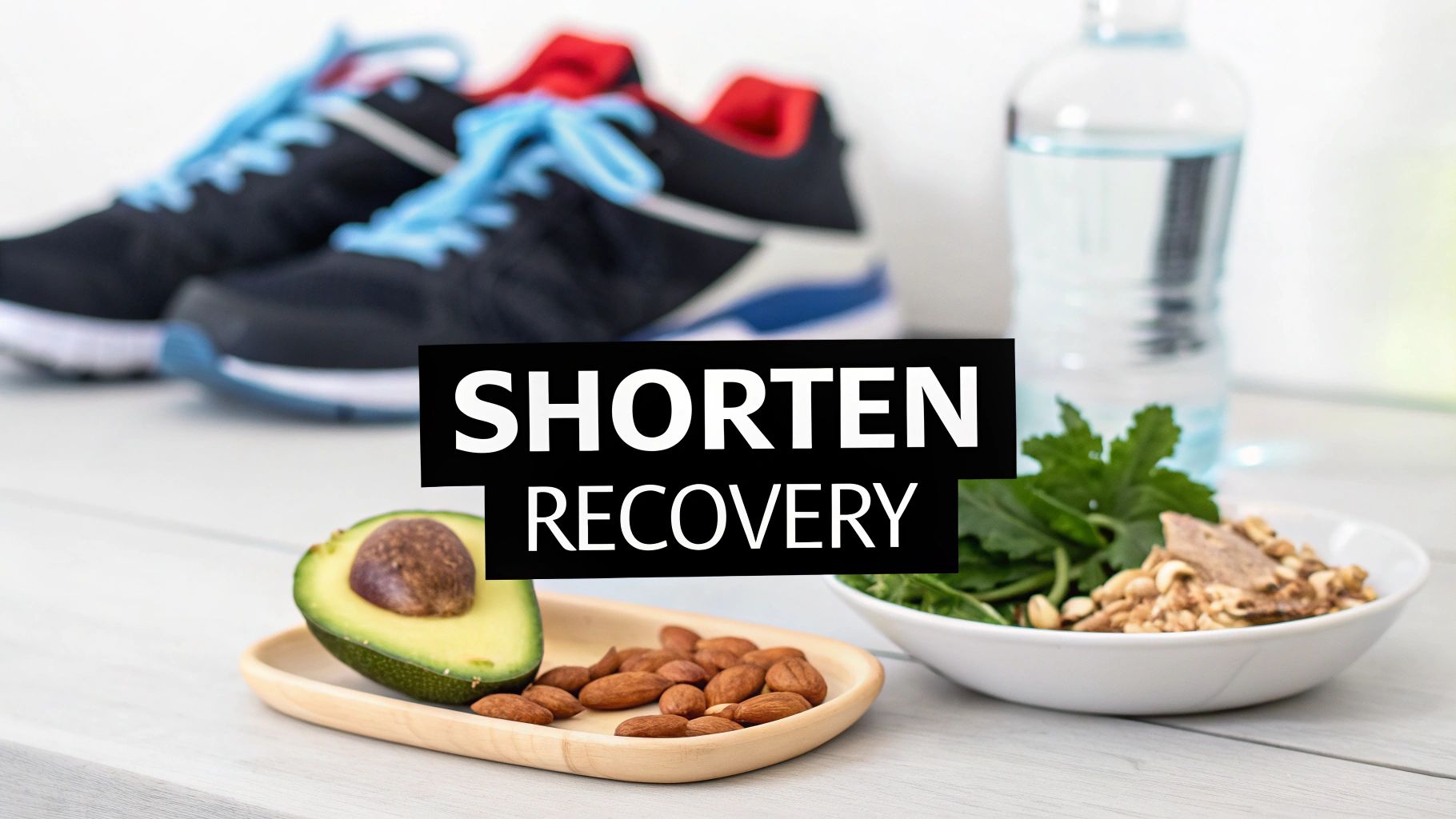
Your daily habits are one of the most powerful tools you have for shortening your refractory period. It helps to think of your body like a high-performance engine—how you fuel and maintain it directly impacts its ability to recover. The link between your general health and your sexual health is impossible to ignore.
Cardiovascular fitness, in particular, is the cornerstone of great sexual function. Erections are all about strong, healthy blood flow, so anything that benefits your heart will also benefit you in the bedroom. This isn't just about long-term wellness; a heart-healthy lifestyle can have a surprisingly fast impact on your recovery time between rounds.
Prioritize Heart-Healthy Nutrition
The food you eat provides the essential building blocks for every single process in your body, and that absolutely includes your sexual response. A diet that promotes good circulation can make a huge difference.
You don't need a complicated plan. Just start by focusing on foods known to support cardiovascular health:
- Antioxidant-rich foods: Think berries, dark leafy greens like spinach and kale, and even a bit of dark chocolate. These help fight oxidative stress, which can damage your blood vessels over time.
- Healthy fats: Avocados, nuts, and olive oil are loaded with good fats that help keep cholesterol levels in check and your arteries clear.
- Nitrate-rich vegetables: Foods like beets and leafy greens help your body produce nitric oxide, a key molecule that relaxes blood vessels and ramps up blood flow.
By focusing on a diet that supports your circulatory system, you are directly investing in your ability to shorten your refractory period. It’s a sustainable, long-term strategy for better sexual health.
Get Your Body Moving Consistently
Regular exercise is probably the single most effective lifestyle change you can make. It strengthens your heart, improves circulation, and helps you maintain a healthy weight—all crucial for optimal sexual function.
Cardiovascular exercise is king here. In Canada, where heart health is a major public focus, the connection is clear. Data shows that men who engage in regular cardio experience refractory periods that are shorter by up to 30-50% compared to their sedentary peers. The takeaway is simple: a stronger heart means faster recovery.
You don't have to become a marathon runner overnight. Just aim for at least 150 minutes of moderate-intensity cardio each week. That could be brisk walking, cycling, or swimming. Consistency will always beat intensity.
Your daily habits have a direct and significant effect on your sexual recovery. To make it easier to see the connection, we've put together a simple table outlining how different lifestyle factors can either help or hinder your refractory period.
Impact of Lifestyle Factors on Refractory Period
| Lifestyle Factor | Positive Impact on Recovery | Negative Impact on Recovery | Actionable Tip |
|---|---|---|---|
| Diet | Improves blood flow, supports hormone balance. | Clogs arteries, causes inflammation, hormonal disruption. | Focus on whole foods, healthy fats, and nitrate-rich vegetables. |
| Exercise | Strengthens heart, boosts circulation, reduces stress. | Poor circulation, weight gain, lower testosterone. | Aim for 150 mins of moderate cardio weekly (e.g., brisk walking, cycling). |
| Sleep | Optimises testosterone production, lowers cortisol. | Disrupts hormones, increases stress, slows recovery. | Get 7-8 hours of quality sleep per night with a consistent routine. |
| Stress | Lowers cortisol, improves blood vessel function. | High cortisol constricts blood vessels, impairs arousal. | Practice mindfulness or meditation for just 10 minutes a day. |
| Alcohol | In strict moderation, may reduce initial anxiety. | Dehydrates, disrupts sleep, impairs nerve function. | Limit intake, especially before sexual activity. |
This table shows that small, consistent changes in your daily routine can lead to significant improvements in your sexual health and recovery time.
Manage Stress and Improve Sleep Quality
Never underestimate the mind-body connection. Chronic stress floods your system with cortisol, a hormone that messes with testosterone production and constricts blood vessels, making it much harder to recover after sex.
Poor sleep is just as bad. Your body produces most of its testosterone during deep sleep, so if you're consistently getting less than 7-8 hours a night, you're directly impacting your stamina and recovery.
Here's how to get these under control:
- Practice mindfulness: Just 10 minutes of daily meditation or deep breathing can significantly lower cortisol levels.
- Create a sleep routine: Go to bed and wake up around the same time every day—yes, even on weekends. It works wonders.
- Limit alcohol: A drink might feel like it helps you unwind, but too much alcohol disrupts sleep patterns and is a known downer for sexual function.
By adopting these habits, you build a strong foundation for better overall health, which naturally leads to a shorter refractory period. For those looking for an extra edge, our shop page offers a range of solutions that can complement these positive lifestyle changes.
Master Physical Techniques and Exercises

While lifestyle changes set the stage for better sexual health, specific physical techniques can give you much more direct control over your response and recovery time. Think of these as hands-on strategies designed to strengthen key muscles and train your body’s reflexes, helping you manage arousal and potentially shorten that downtime between rounds.
It's like targeted training for your sexual stamina. By getting a handle on these methods, you're not just crossing your fingers for a shorter recovery; you're actively working toward it. These exercises can improve your control over ejaculation, enhance erectile function, and even dial down the performance anxiety that often makes the refractory period drag on.
Strengthen Your Foundation with Pelvic Floor Training
One of the most powerful physical strategies is strengthening your pelvic floor muscles, usually through Kegel exercises. These are the exact same muscles you clench to stop the flow of urine, and they play a massive role in both erections and ejaculation.
A strong pelvic floor gives you more command over your orgasmic response. Research shows that well-conditioned pelvic muscles can lead to firmer erections and help you control or even delay ejaculation. This added control is a game-changer when you're learning how to reduce the refractory period.
Ready to give them a try? Here's the right way to do them:
- Find the Muscles: The next time you're urinating, try to stop the stream for a second. That's them—your pelvic floor (or pubococcygeus) muscles. Once you know what they feel like, don't make a habit of doing Kegels while peeing.
- Squeeze and Hold: Get comfortable, either sitting or lying down. Squeeze those muscles and hold that contraction for five seconds.
- Relax and Repeat: Release the squeeze for five seconds, then go again. Try to do 10-20 repetitions in a set, and aim for a few sets throughout your day.
Consistency is everything here. With regular practice, you can build noticeable strength and control in just a few weeks.
Master Control with Behavioural Techniques
Beyond building muscle, you can also train your nervous system. Behavioural methods like "edging" are all about teaching your body to handle higher levels of arousal without immediately tipping over the edge.
The whole point of edging, sometimes called the stop-start technique, is to get yourself right to the brink of orgasm and then deliberately pull back. By doing this over and over, you become much more tuned in to your body's signals. You learn to ride the wave of arousal instead of letting it crash. This can lead to more intense orgasms and may help shorten your recovery time.
Mastering these techniques isn't just about physical endurance; it's a huge confidence booster. When you feel more in control, performance anxiety starts to fade, which on its own can have a really positive effect on your refractory period.
Harness the Power of Mindfulness and Breathing
Finally, don't ever underestimate the mental side of things. Performance anxiety is a huge reason for a longer refractory period. When you're stressed or worried, your body goes into a fight-or-flight mode—the exact opposite of the relaxed state you need for a great sexual response.
Mindfulness and deep breathing exercises are simple but effective tools for calming your nervous system. By focusing on slow, deep belly breaths, you can lower your heart rate and bring down stress hormones like cortisol. This mental calm translates directly to better physical control and can make a real difference in how quickly you're ready to go again. For more ways to improve your endurance, check out our guide on how to last longer in bed for some extra valuable tips.
How Hormones Influence Your Sexual Recovery
Your hormones are the silent conductors of your entire sexual response cycle, and they absolutely play the leading role in how long you need to recover. Think of them as chemical messengers giving your body the "go" or "stop" signals. Getting a handle on how they work is the first step to effectively shortening your refractory period.
When you orgasm, a pretty complex hormonal shift happens behind the scenes. The balance of power changes, creating a biological environment where getting aroused again is temporarily put on the back burner. This isn't a design flaw; it's just your body’s natural way of hitting the reset button.
The Key Hormonal Players
When it comes to your recovery time, two hormones are especially important: prolactin and testosterone. They have an almost seesaw-like relationship that directly impacts how quickly you can get back in the game.
- Prolactin: This hormone spikes immediately after you ejaculate. It’s responsible for that feeling of satisfaction but is also known to suppress dopamine—the very neurotransmitter that drives arousal. In short, higher prolactin levels hit the brakes on your sex drive.
- Testosterone: As the primary male sex hormone, it’s crucial for your libido and erectile function. While it doesn't plummet post-orgasm, keeping your baseline levels healthy is essential for a quicker rebound.
The goal, then, is to build a lifestyle that naturally keeps prolactin in check while supporting optimal testosterone production.
How Lifestyle Creates Hormonal Imbalance
You might not realise it, but your daily habits have a massive impact on this delicate hormonal balance. Simple choices can either help or seriously hinder your sexual recovery by throwing your hormone levels out of whack.
Chronic stress, for instance, is a major culprit. It floods your body with cortisol, which can suppress testosterone production and disrupt your entire system. Poor sleep is another huge one, since your body produces most of its testosterone during deep sleep. Consistently getting less than 7–8 hours a night can cause your T-levels to take a nosedive.
Maintaining hormonal balance isn't about extreme measures. It's about building a solid foundation of health through smart, sustainable lifestyle choices that support your body’s natural rhythms.
Research from a 2022 study on orgasm function changes in California highlighted just how profoundly hormones influence sexual function. It revealed that hormonal shifts can dramatically alter sexual response, including a noticeable decrease in the post-orgasm refractory period for some men.
Supporting Your Hormones Naturally
So, what can you actually do about it? The strategy is pretty straightforward: focus on the fundamentals that support healthy hormone production.
- Prioritise Sleep: Make getting 7–8 hours of quality sleep a non-negotiable part of your routine.
- Manage Stress: Find what works for you, whether it's meditation, light exercise, or just taking time for a hobby.
- Eat a Balanced Diet: Focus on whole foods, healthy fats, and lean proteins. This gives your body the raw materials it needs to produce hormones correctly.
For those looking to give their T-levels an extra boost, our guide on testosterone supplements in Canada can offer some additional insights. By taking control of these key lifestyle factors, you're actively creating a hormonal environment that supports a shorter, healthier refractory period.
Exploring Medical and Pharmaceutical Options
So, you've dialled in your lifestyle habits and mastered the physical techniques, but you're still curious about what medical science has to offer for shortening your recovery time. It's a valid question, but it's crucial to tread carefully here and always loop in a healthcare professional. These aren't over-the-counter solutions, and they're definitely not a one-size-fits-all fix.
When we talk about medical options, the conversation almost always turns to prescription medications designed to treat erectile dysfunction (ED). While their main job is to help with erections, some men find they have a welcome side effect: a shorter refractory period. But using them for this purpose needs to be done responsibly and with a doctor's guidance. Our shop page features many effective, clinically-backed options.
Understanding Prescription Medications
The go-to class of medications for erectile function are PDE5 inhibitors. You've probably heard of them: sildenafil (the active ingredient in Viagra) and tadalafil (Cialis) are the most well-known. Their primary function is to boost blood flow to the penis by relaxing blood vessels, which is key for getting and keeping an erection.
By making the whole circulatory process more efficient, these drugs can help your body get ready for round two more quickly after an orgasm. As long as the medication is active in your system, the physiological groundwork for an erection is already in place, potentially cutting down your downtime.
One notable study found that sildenafil made a significant difference. It showed that 40% of men (with an average age of 32) cut their refractory period from a median of 14.9 minutes down to just 5.5 minutes. That's a 63% drop. The thinking is that with the penile arteries already dilated, the penis can refill with blood much faster when you're stimulated again.
It's important to remember that while these results sound great, the research is mixed. Health authorities in Canada have not officially approved these drugs for the sole purpose of shortening recovery time. Their approved use is for treating diagnosed ED.
The Role of a Medical Consultation
Trying to self-prescribe or buying these meds from sketchy online sources is a huge risk. The internet is flooded with counterfeit pills that can contain anything from printer ink to drywall, or just the wrong dose of the active ingredient. It's a serious gamble with your health.
Chatting with a doctor is absolutely essential, for a few key reasons:
- Safety First: A doctor will check your overall health, especially your heart, to make sure these medications are a safe choice for you.
- Get the Right Diagnosis: A long refractory period could be a sign of an underlying health issue. A doctor can help figure out what's really going on.
- Find the Right Dose: Your healthcare provider will prescribe the correct medication and dosage tailored to your specific needs.
Sometimes, other medications are used "off-label" to help with related sexual health issues. For example, certain antidepressants can be effective for managing other conditions. Our guide on using paroxetine for premature ejaculation explains how different types of pharmaceuticals can be used to tackle specific concerns.
A Note on Supplements
Walk into any health store, and you'll see shelves packed with supplements promising to supercharge your sex life. While some ingredients might have a theoretical link to improving blood flow or hormone levels, the industry is largely unregulated.
Be very skeptical of any product that promises instant, miraculous results. If you're thinking about trying a supplement, always run it by your doctor first. You need to be sure it won't cause nasty side effects or interfere with any other medications you're taking.
Ultimately, medical options can be a helpful tool in your arsenal, but they should always be seen as a complement to a solid foundation of healthy lifestyle habits, not a replacement for them.
Common Questions About the Refractory Period
Let's tackle some of the most common questions we get about the refractory period. This is your quick-reference guide for straightforward answers on topics we might not have covered in depth elsewhere.
Does Age Always Increase the Refractory Period?
Not necessarily. While it's true that the refractory period tends to get longer as we age—thanks to hormonal shifts and changes in cardiovascular health—it's not a foregone conclusion.
A man who stays active, eats well, and keeps stress in check can often have a shorter recovery time than his less healthy peers, regardless of what his driver's license says. Lifestyle really is a huge factor here.
Can Certain Foods Actually Shorten Recovery Time?
Yes, but indirectly. Think of it less as "magic foods" and more about supporting your body's overall machinery.
Foods that are good for your heart are also good for your erections and recovery. Things rich in antioxidants and flavonoids—like leafy greens, dark chocolate, and nuts—help improve blood flow. Better circulation is fundamental to a shorter refractory period. So, while one meal won't change things overnight, a consistently heart-healthy diet lays the groundwork for better sexual function.
For most men, a refractory period is a biological certainty due to the hormonal shifts after orgasm. The goal should be to healthily shorten your natural recovery time, not eliminate it entirely.
How Long Does It Take for Kegel Exercises to Work?
If you’re consistent, you can start seeing a difference pretty quickly. Most guys who do their Kegels correctly every day notice better ejaculatory control and stronger erections within 3 to 6 weeks.
The impact on your refractory period might take a little longer to become obvious, and it varies for everyone. The real benefit comes from stronger pelvic floor muscles, which give you more control and can indirectly speed up your recovery process.
Is It Possible to Have No Refractory Period at All?
For the vast majority of men, that's a biological no. After an orgasm, your body needs to reset, especially with the spike in the hormone prolactin. This hormonal shift makes a recovery phase a biological necessity.
You might hear stories about men who are multi-orgasmic with almost no downtime, but this is incredibly rare. A much more realistic and healthy goal is to focus on strategies that help you reduce your refractory period, not chase the idea of eliminating it completely.
If you're looking to improve your sexual health and performance, check out the clinically-proven options available on our shop page.

 English
  French
Pingback: Testicles hurt after ejaculation: Causes, symptoms, and when to seek care
Pingback: The Science of Post Nut Clarity: Why Your Mind Shifts
Your point of view caught my eye and was very interesting. Thanks. I have a question for you. https://www.binance.com/register?ref=IHJUI7TF
Your point of view caught my eye and was very interesting. Thanks. I have a question for you.
I don’t think the title of your article matches the content lol. Just kidding, mainly because I had some doubts after reading the article.
Can you be more specific about the content of your article? After reading it, I still have some doubts. Hope you can help me.
Thank you for your sharing. I am worried that I lack creative ideas. It is your article that makes me full of hope. Thank you. But, I have a question, can you help me? https://www.binance.com/en-ZA/register?ref=B4EPR6J0
Your point of view caught my eye and was very interesting. Thanks. I have a question for you.